
Case Study
Simulated Whiskey Aging Device
From a chemists' proof of concept to a home-kitchen device
- Mechanical
- Electrical
- Firmware
- Software
Introduction
Traditional whiskey develops its amber color and depth of flavor by aging in charred oak barrels. The time a spirit spends in those barrels is central to the complexity of its taste. Landi Industries assembled a cross-disciplinary team to translate whiskey chemists’ accelerated aging method into a repeatable device for use in home kitchens.
Working within MAHD (Modified Agile for Hardware Development), the team began with the chemists’ detailed guides: from malting, mashing, fermentation and distillation through the final transformation in maturation containers. These insights informed conceptual rapid prototypes that explored form-factor aesthetics and practical use, balancing reliability and ease of use with the rich flavors associated with traditionally aged whiskey.
The Challenge
The chemists developed a sous-vide method without the traditional creation process or pressurization. It simulated the seasons of a whiskey barrel within five days, using custom light spectrums, heat profiles and oxidation patterns. Their documented proof of concept needed to become a structured, repeatable product design that could be manufactured as a minimum viable product (MVP).
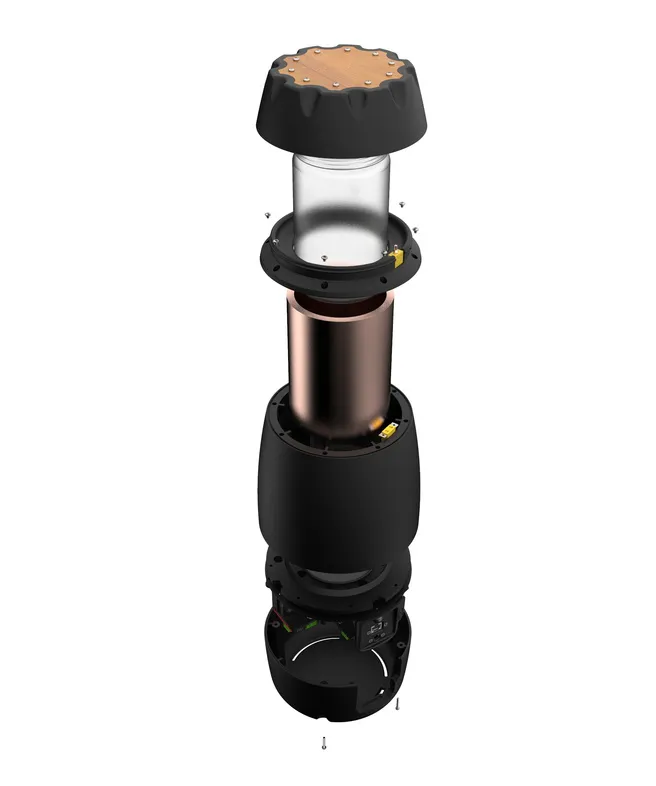
That meant engineering a glass containment vessel with self-actuating “breathing ports,” transferring heat consistently through the glass from outside the vessel, and managing stirring and cooling. A rapid convection heating system had to distribute heat uniformly inside the reactor. All of these functions needed to work together around a containment vessel the size of a pint glass.
The Approach and Process
Landi worked alongside the chemists to understand the aging method, its technological challenges and their vision for the product. This collaboration connected innovation with practical product design. Despite the distance between the teams, weekly videos, photos and progress reports maintained clear communication and kept the chemists’ marketing team aligned with development.
Physical Manifestation
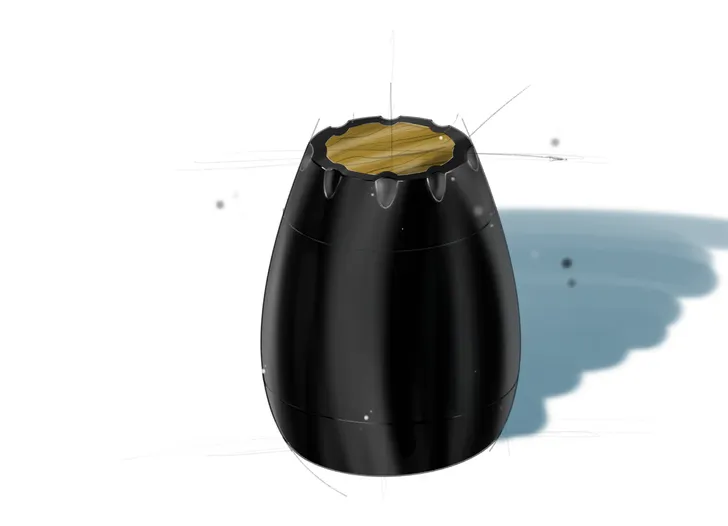
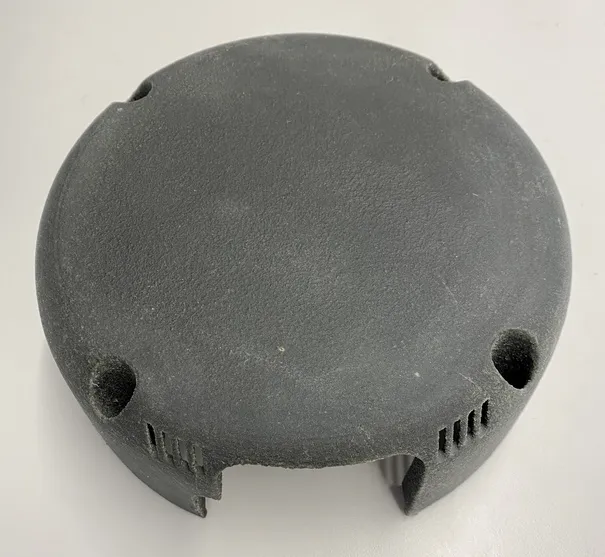
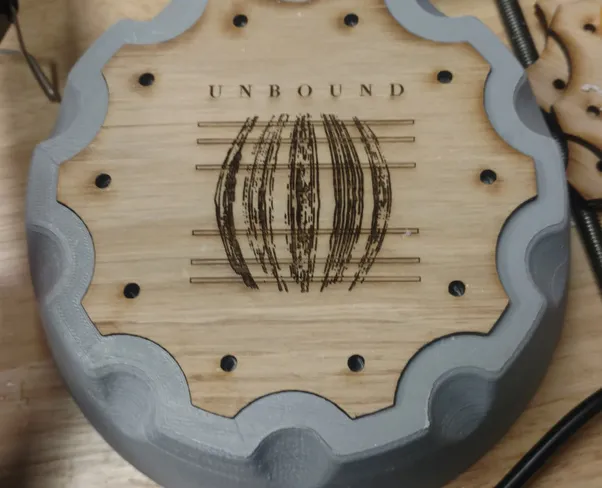
The design team began with hand-drawn concepts. A 3D printing foundry helped experiment with high-temperature sand, while an expert brownsmith guided the copper heater-core design. Advanced analysis supported a pressure locking system. Custom copper, white oak and plastic parts were created to optimize heat transfer and the chemical formulation. A magnetized fan served both stirring and cooling, as well as the convection heating system.
From Proof of Concept to MVP
The proof of concept combined a glass pressure vessel, a custom copper reactor and a white oak lid. It safely exposed the liquid to simulated seasonal environmental changes. Proof of value (PoV) refinement then focused on kitchen-appropriate size, texture and finishes, using low-cost, finished-looking prototypes to explore form factors and practical use.
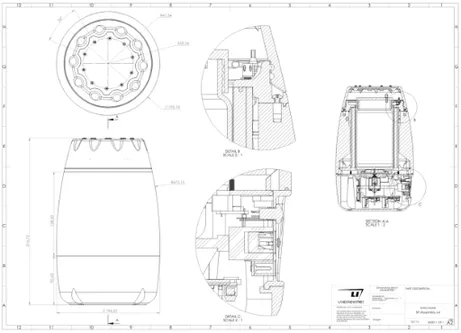
Landi built 10–20 MVP models for advanced failure-mode and consumer testing. Tests included removing the glass while hot and opening, hitting and dropping the lid. Changes were iterated in SolidWorks PLM (Product Lifecycle Management) to refine the final build.
Digital Manifestation
With the physical product ready for its next phase, Landi developed the software interface. A mobile-first approach reflected how users would control the device from their phones. Low-fidelity Balsamiq wireframes focused attention on the experience before visual aesthetics.
The user-facing experience is powered by an Ubuntu IoT embedded environment within the Amazon Web Services (AWS) platform, accommodating the inventor’s technological background and expanding team.
A custom Python onboard control script and a self-hosted progressive web application (PWA) allow the device to operate with or without an internet connection. Unreliable connectivity therefore does not put a customer’s whiskey batch at risk of being lost or ruined.
The Result
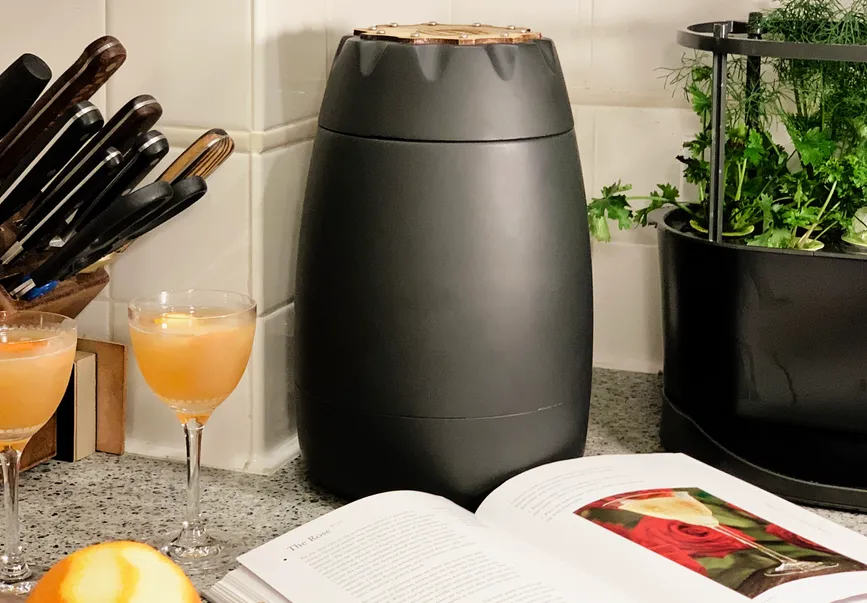
The final device simulates the whiskey aging process in just five days. Users can monitor and control the process through the responsive PWA, giving whiskey enthusiasts the freedom to personalize batches to their tastes or needs. The partnership brought the chemists’ innovation into a practical product through integrated mechanical, electrical and software development.
This machine is bulletproof and works way above expectations.
Services Rendered
Research and Development
- User interviews (comprehensive personas)
- Process mapping (end to end user journeys)
- User-driven product requirements
- Competitor product analysis
Design and Creation
- Prototyping Software (low fidelity) (eg. Balsamiq)
- Hand-drawn industrial designs
- Photoshop renderings (customer feedback)
- Solidworks with PLM (complete rendering and creation)
Software Development
- Platform Architecture (eg. AWS IoT)
- Application Development (eg. React, Python, Cognito)
- Embedded Linux (device operation)
- Automated Testing and Build (eg. Github Actions)
Project Management
- Modified Agile Hardware Design (MAHD)
- JIRA CMMI for internal work tracking
- Harvest Integration for project budgeting and oversight